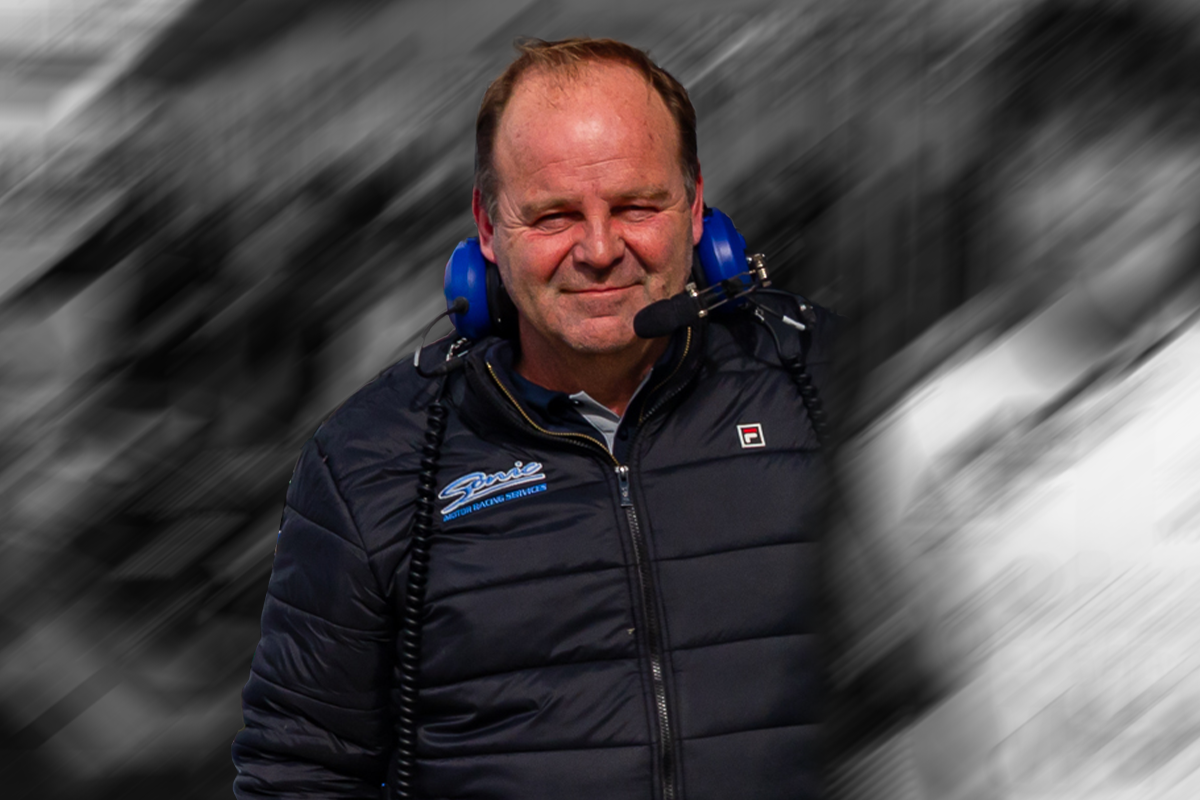
Sonic Motor Racing Services has been a constant fixture on the Australian motorsport scene for nearly three decades, forging an unrivaled reputation of developing elite race car drivers, engineers and mechanics in the formative stages of their circuit racing careers.
Michael Ritter officially established Sonic Motor Racing Services in 1998, entering the Australian Formula Ford Championship in partnership with Richard Davison.
After playing an instrumental role in bringing an ambitious new Formula Ford team to fruition in 1996 (Dugal McDougall's 'Team Australia' – the first to race Mygales in the country), Ritter was approached by the Davison family to lead his two young boys in their first circuit racing ventures.
Alex Davison was the team's first driver, competing in a handful of Victorian state Formula Ford rounds at the end of 1997 before Ritter and the Davisons launched a full, single-car attack on the 1998 title. The season yielded just one round podium, but it set the scene for the 1999 championship that saw Davison, Greg Ritter (Michael's brother who raced for a rival team!) and Steve Owen wage a season long war. Davison won two rounds and finished on the overall podium five times, but Greg Ritter edged him to the crown, winning the title by just two points.
With Alex heading overseas to pursue a sportscar career, it was time for his younger brother Will Davison to make his mark in Formula Ford. In 2000, he won the Victorian state title with Sonic and contested a limited national round program, netting one round win at Calder Park.
Come 2001, Will and future Indy 500 winner Will Power went toe-to-toe the entire season, with Davison coming out on top and setting his sights on his own international career.
The 2001 season was also Sonic's first as a two-car team, with Marcus Marshall joining for what became a two-year stint.
In 2002, Marshall was joined by Jamie Whincup – and Whincup was unstoppable. He crushed the field by winning half of the season's races and beating rival Mark Winterbottom to the crown with a race to spare.
Of course, Whincup was not done winning car races. He became Supercars' most successful driver, holding the record for the most Supercars Championships (seven), as well as the most race wins (125).
In 2003, Sonic expanded to a three car team, and in 2004, the team ran four cars, culminating in a championship win for David Reynolds who beat Tim Macrow to the title in a last race, last lap thriller.
Before Reynolds, Sonic's other champions had conquered and moved on, but Reynolds' place at the team had only just begun ...
By 2005, Team Sonic's Formula Ford program was not only established and successful, but it was seen as either the team to be with – or the team you needed to beat.
But Ritter identified a flaw in his system. Young drivers were coming in, winning in Formula Ford, and then taking their skills elsewhere.
Enter Porsche Carrera Cup into Team Sonic's offering, and Reynolds became the test case that gave Sonic the ability to offer career progression within their own walls.
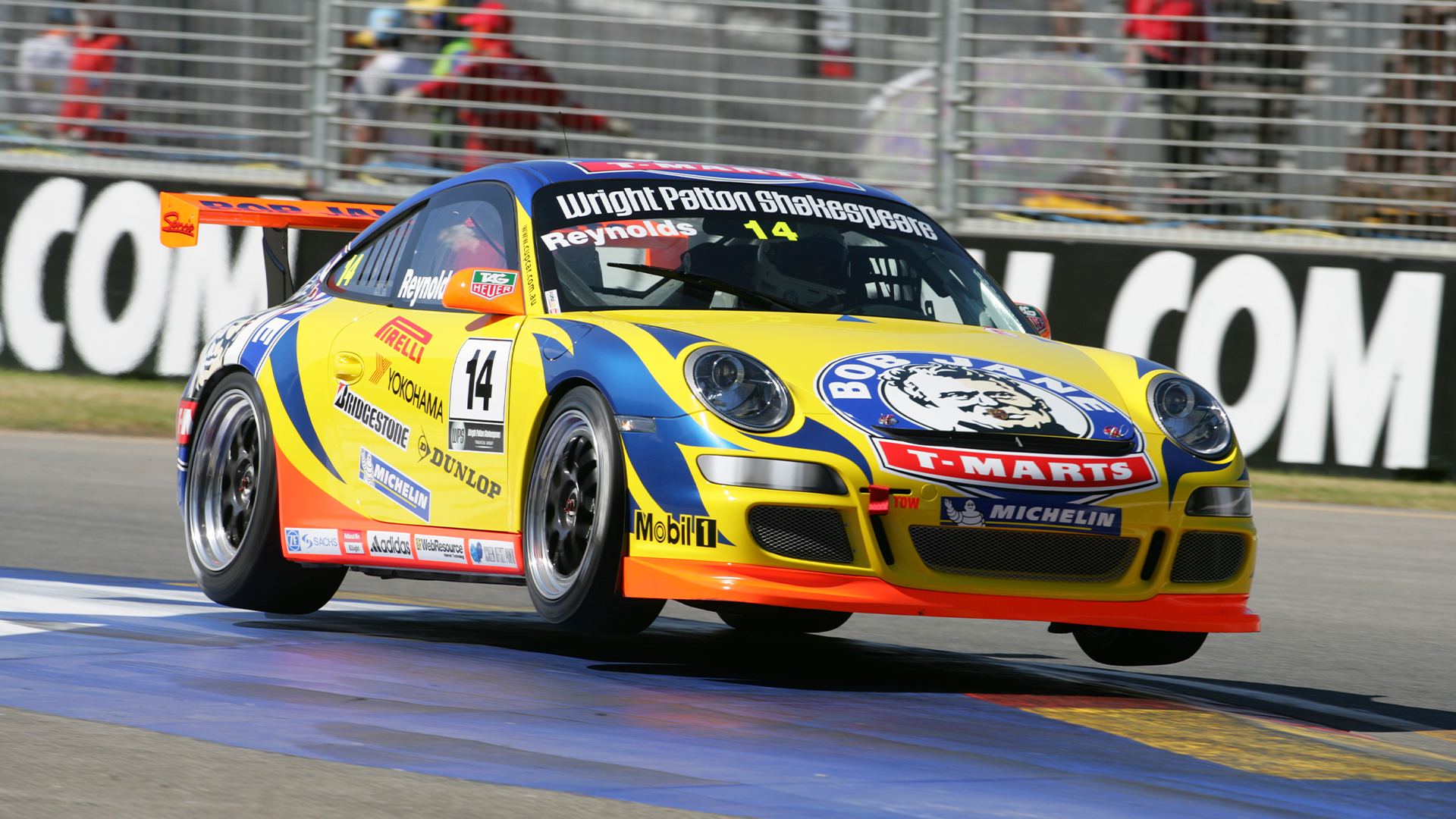
Ritter and Sonic teamed up with Rodney Jane – then the heir to Australia's biggest tyre and wheel retailer Bob Jane T-Marts – to run a two-car Carrera Cup team for Jane and Reynolds in 2005.
Reynolds finished fifth outright in 2005, third in 2006 and became Sonic's first Porsche champion in 2007, defeating Alex Davison for the title. It was a special championship to claim and validated the team's decision to expand beyond Formula Ford.
Reynolds wasn't the only one winning for Sonic in Carrera Cup, though. Jane claimed two Pro-Am championship wins during this period and was at times, untouchable in his class.
By 2008, Sonic had four Porsches in its stable, including future Supercars drivers Dean Fiore and James Moffat who finished second and fourth respectively that year.
However, trouble was brewing within the Porsche category. The category management's company folded, leaving Carrera Cup Australia in limbo and ultimately causing a two-year hiatus from the scene. Ritter saw the writing on the wall early and pivoted his plans for 2009.
All wasn't lost for the team in the world of racing Porsches, though. The sheer number of older Carrera Cup cars in Australia led to the establishment of what is now known as Porsche Michelin Sprint Challenge. Originally implemented as a home for the older cars (and gentlemen drivers), Sonic guided Sven Burchartz to the inaugural title in 2008.
Meanwhile, the team continued as strong as ever in Formula Ford. Tim Slade finished second in the 2006 title (the team's last year with a Van Diemen chassis before switching to Mygale), Tim Blanchard won the 2007 title and Nick Percat finished second in 2008, but that wasn't the end of Nick's Sonic story ...
This five year Sonic spell was dominated by blue ovals and the power of Ford engines.
Carrera Cup's demise in 2009 saw Ritter establish a customer relationship with Supercars powerhouse Triple Eight Race Engineering to enter its Ford Falcon V8 Supercars in the 'Development Series' – now known as Super2.
Against regular Supercars teams, Sonic's introduction to V8 racing was, unsurprisingly, competitive. The team's Falcons finished second overall in its first three years – James Moffat (2009, five race wins), Tim Blanchard (2010, one race win) and Jack Perkins (2011, two race wins).
While Sonic's five year, two-car effort in the Development Series did not yield a series win, the itch was scratched. Sonic raced, and won, at the Supercars level during a period that saw them compete against the country's biggest teams and a shopping list of future stars.
The team's tin-top focus for 2014 would return to Carrera Cup, but Ritter's mind never strayed too far from Porsche racing. In 2013, Sonic prepared the title winning Sprint Challenge Porsche for Richard Muscat – the team's second Sprint Challenge crown.
During this period, Sonic's Formula Ford program went from strength to strength. In 2009, Nick Percat led the team's first one-two championship result, beating team-mate Mitch Evans to the crown.
In 2010, the team introduced Cameron Waters and Nick Foster to the world. Waters won the title in 2011, while Foster finished third in both years. But like Reynolds, success for Foster with Sonic wasn't far away.
In 2013, Anton De Pasquale won the championship, using his experience with Sonic to embark on an overseas career. While he would eventually come home, he has firmly entrenched himself as a leading star of the Supercars Championship.
The team's return to Carrera Cup in 2014 landed at the perfect time for Nick Foster, who had his sights set on an international racing career. Fresh out of Formula Ford, Foster finished fifth in the 2014 title before claiming the crown (and Sonic's second) in 2015.
A young Andre Heimgartner joined Sonic in 2017 and took the title fight to the last race of the season, ultimately finishing second to David Wall.
The 2018 season was the team's biggest to date, running five Porsches in all eight championship rounds. Rookie Jordan Love, who won Sprint Challenge with Sonic in 2017, was the stand-out, finishing fourth overall, and he waited only a year to secure the title – Sonic's third in Carrera Cup.
Sonic went back-to-back in Sprint Challenge too. Simon Fallon won the 2018 series and stepped up to the team's Carrera Cup program until the end of the 2021 season.
From 2014, Formula Ford went through its most turbulent period in Australia. The sport's governing body stripped the class of its 'championship' status in favour of Formula 4, but this did little to quell grids and competition. And like all the years before, Sonic was never far from the top step of the podium.
In 2016, Leanne Tander made her racing comeback and won the title with Sonic – a history making result as Leanne became the first woman to win an Australian national circuit racing title.
The 2018 and 2019 seasons also brought more title success. Hunter McElrea led a Sonic one-two, beating team-mate Hamish Ribarits, while Angelo Mouzouris secured back-to-back titles for Sonic with a commanding display in 2019.
After the COVID-19 pandemic, Formula Ford remained a destination class for aspiring talent, but the category's management had taken the class down a path that offered little commercial value for drivers or teams.
Sonic steered second generation racer Valantino Astuti to the 2022 crown and Matt Hillyer won the 2023 series ... and that was where Sonic's incredible 26 year stint in Formula Ford ended. Or did it?!
Team Sonic has enjoyed great stability in its Carrera Cup ranks, fielding the same three drivers since 2022. Angelo Mouzouris and Marcos Flack have led the team's Pro class charge, scoring pole positions, race wins and podiums in the ultra-competitive one-make class.
The team's greatest Porsche success, however, came through Rodney Jane. Now at the helm of T-Marts and one of Sonic's longest team supporters, Jane made a comeback to racing after a 10-year hiatus.
While his business takes precedence over his racing these days, Jane is no slouch behind the wheel of a race car, and proved as much in 2025 when he won the Pro-Am title with Sonic – some 15 years after their first Pro-Am success.
The 2025 season was also great for the team, with Sonic's former Formula Ford driver Jake Santalucia claiming the Porsche Sprint Challenge.
But what about Formula Ford? Michael Ritter has stayed true to his 2023 decision and has not returned to the Australian championship, although 2026 has seen his team lured back to assist Sven Burchartz' young son Seth. Sonic has offered Burchartz preparation, set-up and data support for testing and race events.
Michael Ritter was born into motorsport. His father, Graham, raced touring cars in Australia, and later ran a successful engine shop.
Michael and his younger brother Greg followed their father's love for the sport, competing at the top level of karting before launching their own, largely different motorsport career paths.
Greg only had eyes for racing. He won the 1999 Formula Ford title and had varied opportunities in the Supercars Championship. Greg made 16 starts in the Bathurst 1000, finishing fourth twice.
For Michael, his passion for the sport ran just as true, but his future would be off track.
The connections he'd formed in karting introduced him to Russell Ingall which led to Michael getting his first taste of working in a Formula Ford team.
In no time, Ritter was bound for the United Kingdom, finding work with the factory Swift and Van Diemen teams, spannering the hopes and dreams of numerous future Formula 1 drivers.
He returned to Australia in 1996 and was quickly employed to help launch an ambitious new multi-car Formula Ford outfit called 'Team Australia'.
By the end of 1997, Michael was introduced to Richard Davison ... and so the Sonic story began.
From humble beginnings, Michael and his wife Maria have built a race team that has been a gateway for future racing champions. Over 25 years since the team's first race, the drive to succeed remains the same, but at its core, Sonic remains a family business run at the most professional level, giving drivers, staff and partners the best possible chance to succeed.